

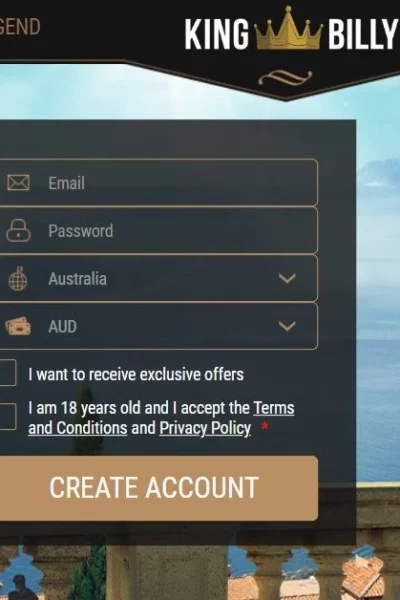










When it comes to finding the best online casino Australia can offer, discerning players understand that not all platforms are created equal. The crème de la crème of online casinos Down Under share common traits that set them apart. Firstly, they boast an extensive and diverse selection of games, ranging from classic table games like blackjack and roulette to a staggering array of pokies that cater to every taste and preference. Beyond the game library, the best online casinos in Australia prioritize player safety and security. Through cutting-edge encryption technology and stringent security measures, these platforms ensure that players’ sensitive information and financial transactions are shielded from any potential threats, allowing for worry-free gaming. This dedication to a secure environment, coupled with seamless transactions and responsive customer support, culminates in a gaming experience that truly stands as the pinnacle of excellence.
What truly distinguishes the best online casino Australia is their unwavering commitment to player satisfaction. These platforms understand that it’s not just about the games; it’s about creating an immersive and rewarding experience. Collaborations with leading software providers ensure that players have access to a dynamic and diverse gaming portfolio, with titles that are not only entertaining but also rigorously tested for fairness and randomness. Moreover, these casinos offer enticing bonuses and promotions, from welcome packages designed to kickstart the gaming journey to ongoing rewards for loyal patrons. This genuine appreciation for their community of players sets the best online casinos in Australia apart, establishing them as the ultimate destinations for an exceptional gaming experience Down Under.
Are you looking for a fun and exciting way to gamble online and win real money? Look no further than online pokies in Australia! With hundreds of options to choose from, including classic 3-reel and modern 5-reel games, there is something for everyone in the world of online pokies.
Unearth a Free $50 Pokies No Deposit Sign-Up Bonus in Australia
Embarking on a thrilling pokies adventure has never been more enticing for Australian players. Picture this: a head start with a generous $50 pokies no deposit sign-up bonus! This exclusive offer is now available at select casinos, giving gaming enthusiasts in Australia an extraordinary chance to dive straight into their preferred pokies games without dipping into their own wallets. It’s an unparalleled opportunity to immerse yourself in the dynamic world of Australian pokies without any initial financial commitment.
Securing your complimentary free $50 pokies no deposit sign up bonus Australia is a breeze. A simple sign-up process at one of the participating online casinos will grant you access to this alluring bonus. Whether you prefer the charm of classic fruit machines or the excitement of themed video slots, a plethora of options await. Let the reels spin in your favor, as you test your luck without spending a single cent of your own money. This offer caters to both seasoned players seeking a fresh platform and newcomers eager to plunge into the exhilarating realm of online pokies. Seize this opportunity today and kickstart an unforgettable gaming journey!
What Are Online Pokies?
Online pokies, also known as online slots, are digital versions of the popular casino game found in land-based casinos around the world. Players spin the reels and hope to hit winning combinations of symbols, which can trigger payouts ranging from small to life-changing amounts of money.
Online pokies have exploded in popularity in recent years, with new games being added to online casinos every month. The convenience and accessibility of playing from your computer or mobile device make online pokies a great choice for both new and experienced players.
How to Play Online Pokies in Australia
Playing online pokies in Australia is simple and straightforward. First, you need to choose a reputable online casino that offers a wide selection of pokies games. Look for casinos that are licensed and regulated by trusted authorities, such as the Malta Gaming Authority or the UK Gambling Commission.
Once you’ve chosen a casino, create an account and make a deposit. Most online casinos in Australia offer a variety of payment options, including credit cards, bank transfers, and e-wallets like PayPal and Skrill.
Once your account is funded, it’s time to start playing! Choose a pokies game that appeals to you, and select your bet size and paylines. Then, hit the spin button and watch the reels go!
Tips for Winning at Online Pokies
While online pokies are primarily games of chance, there are a few tips and strategies that can help you increase your chances of winning:
- Look for games with high payout percentages. The higher the percentage, the more money the game pays out over time.
- Bet on all paylines to increase your chances of hitting a winning combination.
- Set a budget and stick to it. Never chase your losses, and don’t bet more than you can afford to lose.
- Take advantage of bonuses and promotions offered by online casinos. These can include free spins, deposit bonuses, and other rewards that can boost your bankroll.
Most Popular Online Pokies in Australia
Some of the most popular online pokies in Australia include:
- Mega Moolah – a progressive jackpot game that has paid out millions of dollars in prizes.
- Starburst – a classic 5-reel game with colorful gemstones and simple gameplay.
- Gonzo’s Quest – a unique game that features cascading symbols and increasing multipliers.
- Thunderstruck II – a Norse mythology-themed game with 243 ways to win.
- Immortal Romance – a vampire-themed game with engaging storyline and multiple bonus features.
In conclusion, online pokies in Australia are a great way to gamble online and win real money. By choosing a reputable online casino, setting a budget, and taking advantage of bonuses and promotions, you can increase your chances of hitting it big. With hundreds of games to choose from, there’s never been a better time to start playing online pokies in Australia!
The Legality of Online Pokies in Australia
The legal status of online pokies in Australia can be a bit confusing. The Interactive Gambling Act of 2001 made it illegal for online casinos to offer real-money games to Australian players. However, the law does not make it illegal for Australians to play at online casinos that are based overseas.
This means that Australian players can legally play online pokies at offshore casinos, as long as those casinos are licensed and regulated by trusted authorities. It’s important to do your research and choose a reputable online casino that offers fair games and timely payouts.
Free Real Money Pokies in Australia
Many online casinos in Australia offer free pokies games that you can play for fun, without risking any of your own money. These games are a great way to test out new titles and get a feel for how online pokies work.
However, if you want to win real money playing online pokies in Australia, you’ll need to make a deposit and play for real. Most online casinos offer a variety of payment options, including credit cards, bank transfers, and e-wallets like PayPal and Skrill.
It’s important to note that while online pokies can be a fun and exciting way to gamble online, they can also be addictive. Always gamble responsibly, and never bet more than you can afford to lose.
Online pokies in Australia offer a fun and convenient way to gamble online and win real money. By choosing a reputable online casino, setting a budget, and taking advantage of bonuses and promotions, you can increase your chances of hitting it big.
While the legal status of online pokies in Australia can be confusing, Australian players can legally play at offshore casinos that are licensed and regulated by trusted authorities.
Whether you’re a seasoned player or new to the world of online pokies, there’s never been a better time to start playing in Australia. With hundreds of games to choose from and the chance to win real money, online pokies are a great choice for anyone looking for a fun and exciting way to gamble online.
Online Pokies in South Australia: What You Need to Know
If you’re looking to play online pokies in South Australia, there are a few things you need to know. While the laws surrounding online gambling in Australia can be confusing, South Australia has its own set of regulations that you need to be aware of.
Is Online Gambling Legal in South Australia?
Online gambling is legal in South Australia, as long as the online casino is licensed and regulated by the South Australian government. The South Australian government has strict regulations in place to ensure that online casinos are operating fairly and responsibly.
In addition, the South Australian government requires all online casinos that operate in the state to pay a tax on their net wagering revenue. This tax revenue is used to fund various government programs and initiatives.
Choosing a Reputable Online Casino
When choosing an online casino in South Australia, it’s important to do your research and choose a reputable site that is licensed and regulated by the South Australian government.
Look for online casinos that offer a wide selection of pokies games, as well as other popular casino games like blackjack, roulette, and baccarat. Check the casino’s payout percentages and customer reviews to ensure that they offer fair games and timely payouts.
Bonuses and Promotions
Many online casinos in South Australia offer bonuses and promotions to new and existing players. These can include free spins, deposit bonuses, and other rewards that can boost your bankroll and increase your chances of winning.
It’s important to read the terms and conditions of any bonus or promotion before you claim it, as there may be wagering requirements or other restrictions that you need to be aware of.
Playing online pokies in South Australia can be a fun and exciting way to gamble online and win real money. However, it’s important to choose a reputable online casino that is licensed and regulated by the South Australian government.
Take advantage of bonuses and promotions, and always gamble responsibly. With a little bit of luck and some smart strategies, you could be the next big winner playing online pokies in South Australia.
Online Pokies Australia Reviews: Finding the Best Games
When it comes to online pokies in Australia, there are hundreds of games to choose from. But how do you know which games are worth playing? That’s where online pokies Australia reviews come in.
What Are Online Pokies Reviews?
Online pokies Australia reviews are written by experts who have played and reviewed hundreds of online pokies games. These reviews can help you find the best games, with the highest payouts, the most exciting bonus features, and the most engaging themes.
Many online pokies Australia reviews also provide information on the game’s payout percentages, volatility, and other key factors that can help you make an informed decision when choosing which games to play.
Where to Find Online Pokies Australia Reviews
There are a variety of websites that offer online pokies Australia reviews, including:
- Online casino review sites – Many websites that review online casinos also provide reviews of individual pokies games.
- Pokies game developers – Some game developers, such as Microgaming and NetEnt, offer reviews and information on their own games.
- Online casino forums – Forums and message boards dedicated to online gambling can be a great resource for finding reviews and recommendations for the best online pokies in Australia.
Choosing the Best Online Pokies in Australia
When choosing which online pokies to play in Australia, it’s important to consider a few key factors:
- Payout percentages – Look for games with high payout percentages, as these games will pay out more money over time.
- Volatility – Games with high volatility have the potential for bigger payouts, but also have a higher risk of losing money.
- Bonus features – Look for games with engaging bonus features, such as free spins, multipliers, and interactive mini-games.
- Theme – Choose games with themes that appeal to you, such as sports, mythology, or adventure.
Online pokies Australia reviews can be a valuable resource for anyone looking to find the best games and win real money playing online pokies in Australia. Look for reviews from trusted sources, and consider factors like payout percentages, volatility, and bonus features when choosing which games to play.
By doing your research and choosing the best online pokies in Australia, you can increase your chances of hitting it big and having a fun and exciting online gambling experience.
Free Real Online Pokies Australia: Playing for Fun and Winning Real Money
If you’re looking to play online pokies in Australia without risking any of your own money, free real online pokies are the perfect solution. These games offer all the excitement and thrills of real-money pokies, without the risk of losing any money.
What Are Free Real Online Pokies Australia?
Free real online pokies are games that you can play for free, but that also offer the chance to win real money. These games are a great way to try out new pokies titles and get a feel for how the games work, without having to risk any of your own money.
Many online casinos in Australia offer free real online pokies as part of their welcome bonus or other promotions. You can also find free real online pokies at some of the top game developers, such as Microgaming and NetEnt.
How to Play Free Real Online Pokies Australia
Playing free real online pokies in Australia is simple and straightforward. First, find an online casino or game developer that offers free real online pokies. Many of these sites allow you to play the games directly in your web browser, without having to download any software.
Once you’ve found a game you want to play, simply select the free play option. This will allow you to play the game for fun, without risking any of your own money.
If you want to win real money playing free real online pokies, you’ll need to create an account and make a deposit. Many online casinos offer free real online pokies as part of their welcome bonus, so you can use your bonus money to play for real and potentially win big.
Tips for Winning at Free Real Online Pokies Australia
While free real online pokies are primarily games of chance, there are a few tips and strategies that can help you increase your chances of winning:
- Look for games with high payout percentages. The higher the percentage, the more money the game pays out over time.
- Bet on all paylines to increase your chances of hitting a winning combination.
- Set a budget and stick to it. Never chase your losses, and don’t bet more than you can afford to lose.
- Take advantage of bonuses and promotions offered by online casinos. These can include free spins, deposit bonuses, and other rewards that can boost your bankroll.
Free real online pokies in Australia offer a fun and exciting way to play pokies without risking any of your own money. By choosing reputable online casinos and game developers, and taking advantage of bonuses and promotions, you can potentially win real money playing free real online pokies.
Always gamble responsibly, and never bet more than you can afford to lose. With hundreds of games to choose from and the chance to win real money, free real online pokies are a great choice for anyone looking for a fun and exciting way to play pokies in Australia.
Free Online Pokies Win Real Money Australia: How to Increase Your Chances of Winning
If you’re looking to win real money playing online pokies in Australia, free online pokies that offer the chance to win real money can be a great option. However, it’s important to understand that these games are primarily games of chance, and there is no guaranteed way to win.
That being said, there are a few tips and strategies that can help you increase your chances of winning at free online pokies that offer real money prizes.
Choosing the Right Free Online Pokies Win Real Money Australia
The first step to winning at free online pokies that offer real money prizes is to choose the right game. Look for games with high payout percentages, engaging bonus features, and themes that appeal to you.
It’s also important to choose games with betting options that fit your budget. While it can be tempting to bet big in the hopes of winning big, it’s important to never bet more than you can afford to lose.
Taking Advantage of Bonuses and Promotions
Many online casinos in Australia offer bonuses and promotions that can increase your chances of winning at free online pokies that offer real money prizes. These can include deposit bonuses, free spins, and other rewards that can boost your bankroll.
When choosing an online casino to play at, look for one that offers generous bonuses and promotions, and make sure to read the terms and conditions carefully before claiming any bonuses.
Betting Strategies
- While free online pokies that offer real money prizes are primarily games of chance, there are a few betting strategies that can help you maximize your winnings:
- Bet on all paylines – This increases your chances of hitting a winning combination.
- Bet the maximum – If you’re playing a game with a progressive jackpot, you’ll need to bet the maximum in order to be eligible to win the jackpot.
- Use a betting strategy – Some players like to use betting strategies like the Martingale system, where you double your bet after each loss, in order to try to recoup your losses and win.
Free online pokies that offer real money prizes can be a fun and exciting way to win big while playing pokies online in Australia. By choosing the right game, taking advantage of bonuses and promotions, and using smart betting strategies, you can increase your chances of hitting it big.
However, it’s important to always gamble responsibly, and never bet more than you can afford to lose. With a little bit of luck and some smart strategies, you could be the next big winner playing free online pokies that offer real money prizes in Australia.
Advantages of Free Real Online Pokies Australia
There are several advantages to playing free real online pokies in Australia. These include:
- No Risk – The biggest advantage of playing free real online pokies is that you can enjoy the excitement and thrills of pokies without risking any of your own money.
- Practice – Free real online pokies are a great way to practice and develop your skills before playing for real money.
- Fun – Free real online pokies are a fun and entertaining way to pass the time and enjoy the thrill of winning without having to worry about losing money.
- Chance to Win Real Money – While playing free real online pokies doesn’t require any financial investment, there’s still a chance to win real money if you’re lucky enough to hit a winning combination.
How to Find Free Real Online Pokies Australia
There are several ways to find free real online pokies in Australia. These include:
- Online Casinos – Many online casinos offer free real online pokies as part of their welcome bonus or other promotions.
- Game Developers – Some game developers, such as Microgaming and NetEnt, offer free versions of their online pokies that allow you to play for fun without risking any of your own money.
- Free Pokies Sites – There are several websites that offer free real online pokies that you can play for fun or for a chance to win real money.
Tips for Winning at Free Real Online Pokies Australia
While free real online pokies are primarily games of chance, there are a few tips and strategies that can help increase your chances of winning:
- Look for games with high payout percentages.
- Bet on all paylines to increase your chances of hitting a winning combination.
- Take advantage of bonuses and promotions offered by online casinos.
- Set a budget and stick to it. Never chase your losses, and don’t bet more than you can afford to lose.
Free real online pokies in Australia offer a fun and exciting way to play pokies without risking any of your own money. By choosing reputable online casinos and game developers, and taking advantage of bonuses and promotions, you can potentially win real money playing free real online pokies.
Always gamble responsibly, and never bet more than you can afford to lose. With hundreds of games to choose from and the chance to win real money, free real online pokies are a great choice for anyone looking for a fun and exciting way to play pokies in Australia.
Most Popular Online Pokies Australia
When it comes to playing online pokies in Australia, there are several games that are considered the most popular. These games are typically known for their engaging themes, exciting bonus features, and high payouts.
Some of the most popular online pokies in Australia include:
- Thunderstruck II – This popular game from Microgaming features Norse mythology and offers several bonus features, including free spins and multipliers.
- Mega Moolah – This progressive jackpot pokie from Microgaming is known for its huge payouts, with some players winning millions of dollars.
- Starburst – This popular game from NetEnt is known for its colorful graphics and exciting bonus features, including expanding wilds and respins.
- Gonzo’s Quest – This game from NetEnt features an explorer searching for treasure in South America, with unique Avalanche reels and a chance to win up to 2500 times your bet.
- Immortal Romance – This popular pokie from Microgaming features a vampire theme and several bonus features, including free spins and multipliers.
Tips for Playing Most Popular Online Pokies Australia
If you’re looking to try your luck at the most popular online pokies in Australia, there are a few tips and strategies that can help increase your chances of winning:
- Bet on all paylines to increase your chances of hitting a winning combination.
- Look for games with high payout percentages.
- Take advantage of bonuses and promotions offered by online casinos.
- Set a budget and stick to it. Never chase your losses, and don’t bet more than you can afford to lose.
- Practice with free versions of the game before playing for real money.
Playing the most popular online pokies in Australia can be a fun and exciting way to potentially win big. By choosing reputable online casinos, looking for games with high payout percentages, and taking advantage of bonuses and promotions, you can increase your chances of hitting it big.
Remember to always gamble responsibly, and never bet more than you can afford to lose. With hundreds of games to choose from and the chance to win real money, the most popular online pokies in Australia are a great choice for anyone looking for a fun and exciting way to play pokies.
Online Pokies Australia Sign Up Bonus
Many online casinos in Australia offer sign up bonuses for new players, which can include free spins or bonus money that can be used to play online pokies. These sign up bonuses can be a great way to try out new games and potentially win real money without having to risk any of your own.
Types of Sign Up Bonuses
There are several types of sign up bonuses that online casinos in Australia may offer. These include:
- Free Spins – Some online casinos may offer free spins as part of their sign up bonus. These free spins can be used on specific pokies and can give you a chance to win real money without having to make a deposit.
- Bonus Money – Some online casinos may offer bonus money as part of their sign up bonus. This bonus money can be used to play any online pokies at the casino and can potentially lead to big payouts.
- No Deposit Bonus – Some online casinos may offer a no deposit bonus as part of their sign up bonus. This means that you’ll receive a bonus without having to make a deposit, which can be a great way to try out the casino and potentially win real money.
Terms and Conditions
Before claiming any sign up bonus, it’s important to read the terms and conditions carefully. These can include wagering requirements, which means you’ll need to wager a certain amount of money before you can withdraw any winnings from the bonus.
Other terms and conditions may include time limits on the bonus, restrictions on the games that can be played with the bonus, and maximum withdrawal limits.
Finally
Online pokies Australia sign up bonuses can be a great way to try out new games and potentially win real money without having to risk any of your own. By choosing reputable online casinos and reading the terms and conditions carefully, you can take advantage of sign up bonuses and potentially hit it big playing online pokies in Australia.
Remember to always gamble responsibly, and never bet more than you can afford to lose. With sign up bonuses, free spins, and bonus money, online pokies in Australia offer a fun and exciting way to potentially win big.